Australia’s 2021 student-return chapter: lessons in contingency planning
Looking back at the disruption and staged return described in Australia’s 2021 education report, with practical lessons for a resilient student plan.
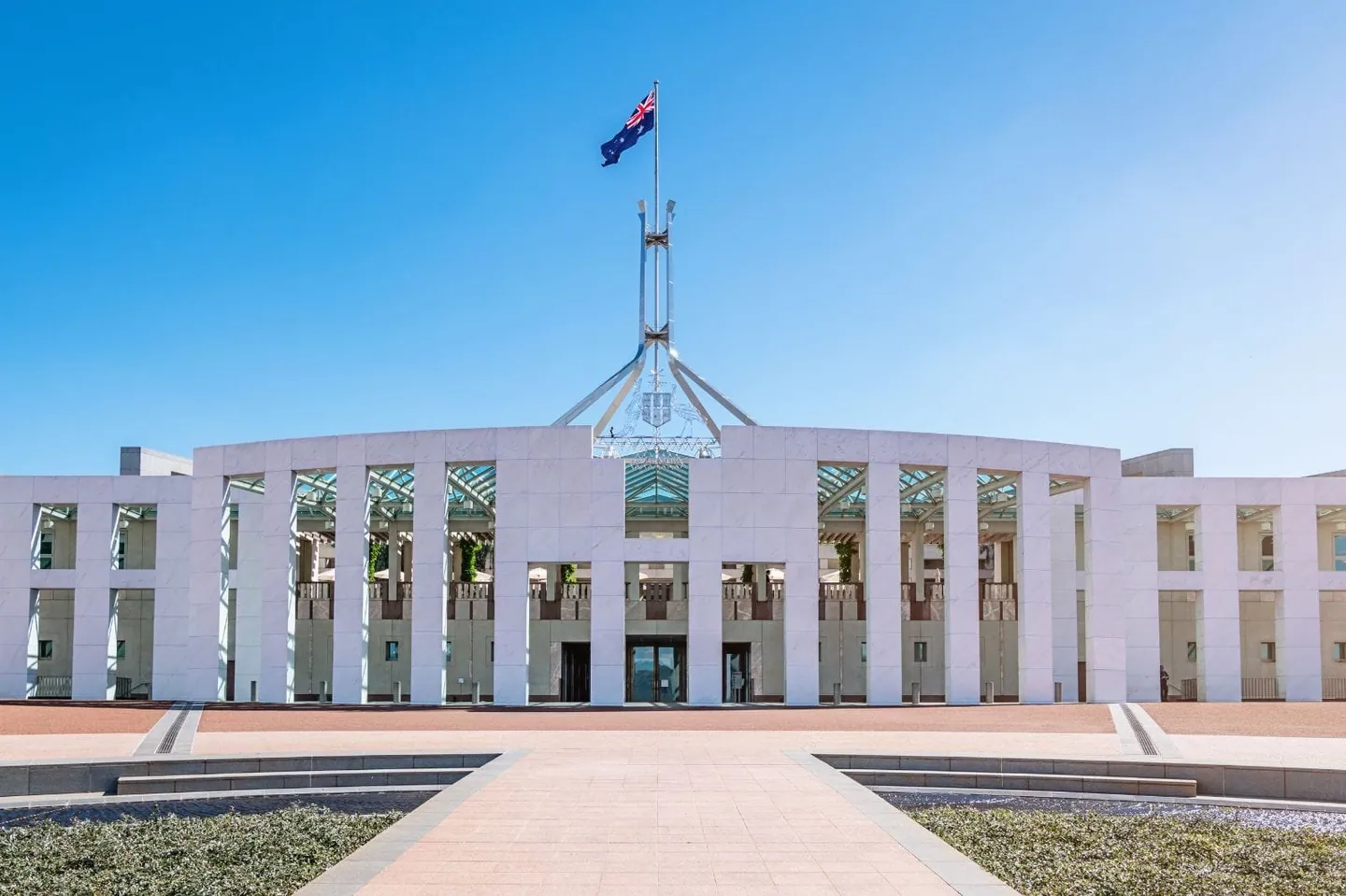
Australia’s Council for International Education described disrupted student pipelines and the return of international students as major issues in its 2021 report. Looking back is useful because it shows why a university offer, travel arrangements and permission to enter must be checked separately.
The historical context
The government report describes a difficult year for the international-education sector and a focus on the safe return of students. It records changes to international border arrangements in December 2021, while acknowledging continuing public-health requirements and disruption.
Those circumstances are historical. This article does not reproduce old travel concessions as current instructions. Its purpose is to examine how a student can organise uncertainty when several organisations control different parts of a journey.
Map the dependencies before making commitments
A useful plan shows which task depends on another. Course enrolment, arrival timing, accommodation and travel may each have different conditions. Put the relevant institution beside each item rather than treating a single consultant conversation or an admission offer as confirmation of the whole journey.
For example, an accommodation start date may need reconsideration if your arrival date changes. A travel itinerary may need checking against an orientation schedule. These are planning examples, not advice about a particular fare, tenancy or visa. Ask the responsible provider for its written terms before committing money.
Prepare an alternative academic question
When circumstances change, the most useful question is often academic: what happens to teaching, assessment and progression if I cannot arrive as planned? Ask the institution whether a later arrival is possible, whether there is a formal deferral process and what effect any change could have on your programme.
Do not assume that remote participation, deferral or a new start date is automatically available. Record who answered, which intake the answer concerns and when you must decide. If professional training or laboratory work is involved, ask specifically about those components instead of relying on a general statement about online learning.
Use a decision log with your family
A decision log can be simple: the question, the official answer, the date checked, the next action and its owner. It is particularly helpful when a parent holds financial documents, the student receives university emails and another person is helping with the application.
Agree which changes require a fresh family discussion. Examples include a new course start, a different funding arrangement or an accommodation payment deadline. This reduces the chance that several people act on different versions of the same plan. Keep personal documents in a secure place rather than forwarding them through every conversation.
Plan support as well as logistics
A student can be academically prepared and still find uncertainty exhausting. Identify the institution’s international office, student-support service and academic contact before departure. Knowing where to ask for help is a practical preparation task, not a sign that something has already gone wrong.
In a disrupted plan, maintain a manageable routine for checking updates. Constantly refreshing unofficial groups can increase confusion without producing an authoritative answer. Set specific times to review messages, then bring unresolved questions to the organisation responsible for them. Seek appropriate professional support for health or wellbeing concerns.
Apply the lesson without assuming another crisis
Contingency planning does not mean expecting the worst. It means understanding what you can change, what you cannot control and when a decision becomes expensive or difficult to reverse. A sound plan contains options while avoiding commitments based on unverified assumptions.
The 2021 experience is therefore useful beyond its original circumstances. For any destination, a clear course rationale, written provider instructions and a sensible sequence of commitments can make preparation more coherent. Our counselling team can help you organise that sequence around your intended intake.
Your next-step checklist
- List the authority responsible for each academic, travel and accommodation question.
- Record written answers and the intake they apply to.
- Identify decision dates for changes and cancellation questions.
- Keep university support contacts accessible to the student.
Questions students ask
Does this article describe current Australian entry rules?
No. It is a retrospective on the 2021 education report and the planning lessons it suggests. Current travel and visa requirements must be checked with the relevant official authorities.
Should I assume a university will allow remote study or deferral?
No. Ask the institution for the options and conditions applicable to your programme and intake, including any effect on assessment, placements and progression.
Sources & further reading
Official references consulted for this guide. The practical planning suggestions and explanations are our editorial guidance.